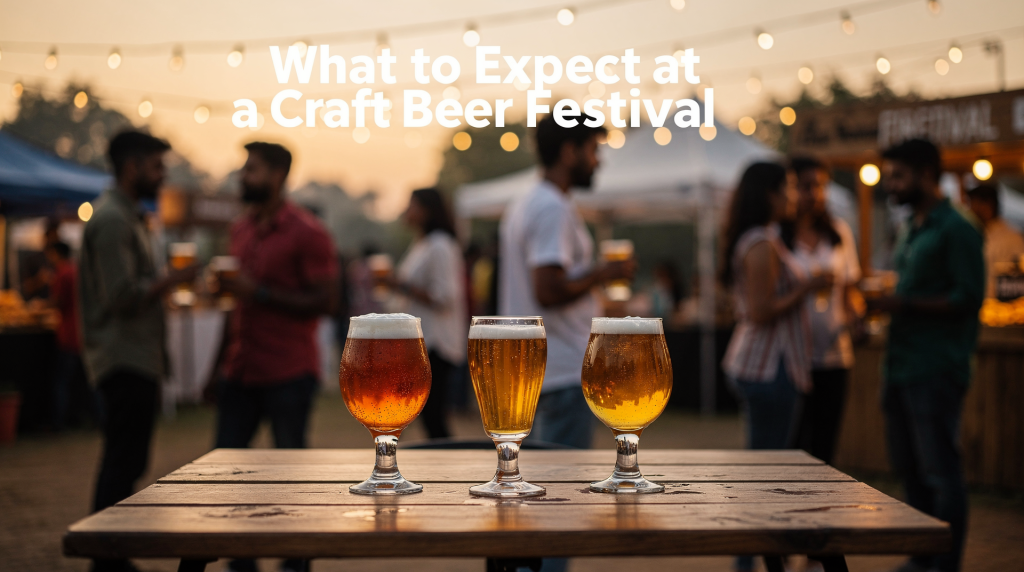
A craft beer festival in India is rarely just about the beer. Over the years, walking through neighbourhoods that host these events—from the leafy bylane-s of Indiranagar to the old-world charm of Pune’s Prabhat Road—I’ve seen how they morph into something bigger. Brewery tastings sit alongside local food stalls run by a family that has lived on that street for three generations, art pop-ups showcase the work of a resident who paints her balcony view every monsoon, and the music often comes from a band that rehearses in a nearby garage. The festival becomes a living, breathing snapshot of the locality itself, offering you not just a tasting experience but a genuine social outing rooted in the place where it unfolds.
When you go prepared, the day shifts from overwhelming to exploratory. You sample more styles, you discover breweries whose stories and ingredients reflect the region, and you still find time to rest, eat, and soak in the atmosphere without feeling rushed or overloaded.
Why craft beer festivals are worth attending
A thoughtfully organised beer festival gives you access to a wide range of beers under one roof—or more accurately, under one sky. This concentrated variety makes it far easier to compare styles and figure out what you actually enjoy, rather than relying on guesswork across scattered bars and menus. In Indian cities like Bengaluru, Pune, Mumbai, and Gurugram, festivals now go well beyond beer. They fold in food stalls where the aroma of chaat and wood-fired pizza mingles with hops, live music stages that showcase local artists, pop-up markets with handmade goods from neighbourhood collectives, and cultural experiences that reflect the area’s identity.
For first-time visitors, the biggest value is variety. You get to try small pours from multiple breweries instead of committing to a full pint at a random bar whose selection you cannot predict. More importantly, you get direct access to the teams behind the beer. At a stall in Pune last year, I watched a brewer patiently explain to a young couple how the tartness in their gose came from a lactic fermentation process—and by the end of the conversation, the couple had discovered a completely new preference. These interactions are part of what makes a festival more than a drinking event; they are community moments where knowledge passes from maker to drinker, and where you start to understand which beers genuinely suit your taste.
What usually happens at a craft beer festival
While every festival has its own rhythm, most follow a familiar flow that helps you orient yourself once you step in. Understanding that flow can make the difference between a scattered afternoon and a day that feels effortless.
- You arrive, show your ticket, and receive entry items such as a wristband or a tasting glass. That glass often becomes your companion for the day—hold on to it.
- You walk through distinct zones: brewery stalls lined up like a friendly neighbourhood market, food areas pumping out steam and spice, music zones where the bass is already rolling, and activity spaces where someone might be screen-printing tote bags.
- Depending on the event format, you buy tasting tokens, get a preloaded wristband, or use an all-access pass. This is where reading the event details in advance pays off.
- You sample beers in small pours, moving from one brewery to another, sometimes circling back to a stall that surprised you.
- You eat between tastings, rest on a bench under a tree, and revisit the stalls you liked most. That second visit often reveals new details you missed the first time.
Some festivals lean heavily into the beer itself, with structured tasting sessions and technical talks. Others are designed as full community events, where the beer is the anchor but food, music, and art seem to have equal billing. In my experience, the latter format makes the event more welcoming for everyone—including neighbours who just wandered in because they heard the music from their balcony.
What you’ll usually find on site
Over the years, I’ve noticed that the most successful festivals offer a clear, thoughtful layout where each element serves a purpose. Here is what you can typically expect, and why it matters for your experience.
| Festival element | What it means for you |
|---|---|
| Brewery stalls | A chance to sample beers from multiple breweries in one place, often with the brewers themselves standing right there, ready to talk ingredients and process. |
| Small pours or tasting flights | Lets you compare styles without overdrinking; think of it as a curated walk through a gallery rather than a sprint. |
| Food vendors | Helps balance the tasting and reset your palate; the best stalls are often run by local cooks who know the neighbourhood’s flavours. |
| Live music or DJs | Creates a social atmosphere and keeps the event lively; in many Indian festivals, the music comes from local talent, which adds a layer of neighbourhood pride. |
| Merchandise or pop-up stalls | Often includes brewery gear, snacks, or products made by local artisans—a small way to take a piece of the community home with you. |
| Seating or lounge areas | Useful for taking breaks and pacing yourself; these spaces often become informal gathering spots where strangers compare tasting notes and become acquaintances. |
Some events also include beer-and-food pairing sessions that feel like a dialogue between the brewer and the chef, limited releases that are available only for that day, or guided tastings where someone walks you through why a particular beer tastes the way it does—the story of the water, the malt, the yeast strain, and the neighbourhood where the recipe was developed.
How to prepare before you go
A little preparation transforms the day from manageable to genuinely enjoyable. I’ve learned these steps through trial and error, and they hold true whether the festival is in a sprawling Gurugram ground or a compact Mumbai terrace.
1. Check the event format
Not every festival works the same way. Some include all beer in the ticket price, while others use token-based pours or separate tasting passes that you need to purchase additionally. Read the event details carefully—every festival’s website or ticketing page tells a story about how the day is organised, and that story tells you exactly what to expect when you arrive. I’ve seen too many first-time visitors confused at the gate because they assumed the format would match another festival they attended.
2. Arrive early
Arriving early usually means shorter queues, a more relaxed entry, and extra time to explore before the crowds build into a thick, happy hum. This matters especially if there are popular breweries with limited-release pours, one-day-only sessions, or brewers who are only present for the first few hours. On a practical level, early arrival also means you get to see the stalls before the rush, which helps you plan your tasting route with a clear head.
3. Eat before you enter
Do not walk in on an empty stomach. Beer tasting is easier, safer, and far more pleasurable when you have eaten a proper meal beforehand. Many festivals have excellent food, but relying on finding the right meal after you arrive—when queues are long and your blood sugar is dropping—can undermine the whole experience. Think of the pre-festival meal as your foundation.
4. Plan your route
If the festival map is available beforehand, take a few minutes to decide which breweries or stalls you want to visit first. This small act of intention helps you avoid wandering aimlessly and missing the stands you care about most. I usually circle two or three must-visit breweries, then allow myself to drift toward whatever catches my eye in between.
5. Choose your transport in advance
Use a rideshare, cab, or public transport if possible, especially at larger festivals where parking becomes a puzzle nobody wants to solve at the end of a long day. Deciding your transport in advance keeps the day stress-free, and it means you can fully enjoy the festival without worrying about how you will get home.
How to taste beer like a pro
If you are new to beer festivals, the sheer number of options can feel overwhelming. The goal is not to drink everything. The goal is to sample smartly, discover what you like, and leave with a clearer sense of your own palate. Over years of walking through festival stalls and talking to both brewers and first-time visitors, I’ve settled on a straightforward approach that works without being fussy.
A simple tasting approach
- Start with lighter styles first, such as lagers or wheat beers. These wake up your palate gently without overwhelming it.
- Move to hoppier or stronger beers later, once your taste buds are calibrated.
- Take small sips and notice aroma, bitterness, body, and finish. You’re not judging; you’re observing.
- Share pours with friends if you want to try more styles without overdoing it—two small sips each from a shared glass doubles your exploration.
- Drink water between tastings. This is not optional; it resets your palate and keeps you fresh.
What to notice in each beer
When I first started tasting deliberately, I looked for these elements, and they made every sip more interesting:
- Aroma: citrus, spice, malt, fruit, roast, or floral notes—sometimes a single inhale tells you more than the first sip.
- First taste: sweet, bitter, crisp, smooth, or sour—the immediate impression that hits your tongue.
- Body: light, medium, or heavy—how the beer feels in your mouth, like the difference between water and milk.
- Finish: clean, dry, lingering, or boozy—what stays behind after you swallow.
- Balance: whether the beer feels well-rounded or one note dominates everything else.
This is the easiest way to move beyond “I like it” and actually understand your preferences. It turns tasting into a conversation with the beer, and by extension, with the people and the place that made it.
Food, music, and the bigger festival atmosphere
Modern craft beer festivals in India often include far more than beer, and that broader format is a good thing—for you, for the neighbourhood, and for the overall experience. You can expect local food stalls that represent the area’s culinary identity, music that might feature a band whose members live three streets away, cultural pop-ups, and sometimes shopping or art experiences that make the event feel like a neighbourhood celebration rather than just a drinking event.
Food helps with pacing; a well-timed snack recharges you. Music keeps the event social, filling the spaces between conversations. The extra stalls—selling handmade ceramics, local honey, or block-printed textiles—make the festival more welcoming for groups with mixed interests, including people who might not drink much but still want to soak in the atmosphere. For readers who want to discover a place, not just a drink, this layered format turns the festival into a doorway to the neighbourhood itself. On more than one occasion, I’ve walked out of a festival with not just a list of new favourite beers but also the name of a tailor, the location of a weekend farmers’ market, and a sense of what life feels like in that particular pocket of the city.
Common rules and etiquette
A beer festival is still a public, shared space, and a little etiquette goes a long way in keeping the atmosphere warm and respectful. The same principles that make a neighbourhood gathering pleasant apply here.
- Do not cut queues. Waiting your turn is part of the shared experience, and the person behind you is just as eager.
- Ask before taking photos of staff, brewers, or other guests. A quick question shows respect and usually leads to a better conversation.
- Return glassware if the event uses a deposit system; those glasses are part of the festival’s sustainability effort and often a treasured keepsake.
- Keep your voice and behaviour in check, especially in crowded spaces where people are trying to listen, taste, and talk.
- If you are not drinking, many Indian social settings will still welcome you with soft drinks or non-alcoholic options. I’ve accompanied friends who do not drink to festivals where they had a wonderful time enjoying the food, music, and people-watching.
- Do not assume toasting is a formal custom; in India, a simple “cheers” is common in drinking settings, and it’s often casual and warm.
If the event has specific rules on outside food, pets, storage, or glassware, follow them. Large festivals often have restrictions designed to keep the venue safe and manageable for everyone, and those rules usually exist because of hard-earned experience from previous editions.
Practical checklist for first-time visitors
Over the years, I’ve refined a mental checklist that helps me (and anyone I bring along) stay comfortable and focused. These items may seem small, but they collectively shape the quality of your day.
Bring this
- Ticket or entry confirmation—digital or printed, but easily accessible.
- ID if the event requires age verification; some festivals check at multiple points.
- Phone with enough battery charge; you will want to note beers you like and possibly capture a moment or two.
- Cash or digital payment method; some pop-up stalls still prefer cash.
- Reusable water bottle if allowed; refill stations are increasingly common at Indian festivals.
- Comfortable shoes—you will be on your feet, often on grass, gravel, or uneven ground.
- Light outerwear if the event runs into the evening; open-air venues can cool down quickly after sunset.
Do this
- Eat before arriving, as your anchor meal.
- Start with lighter beers and work your way up.
- Drink water regularly, not just when you feel thirsty.
- Pace yourself; the festival is a marathon, not a sprint.
- Take notes on beers you like—a quick note in your phone saves you from forgetting the name by evening.
- Leave time for food and rest; the best discoveries often happen when you pause.
Avoid this
- Drinking too fast; your palate and your body both need time.
- Skipping meals before or during the festival.
- Trying to “sample everything”; a curated selection beats an exhausted attempt at completeness.
- Ignoring how you will get home safely.
- Staying in one stall too long and missing the rest of the festival’s breadth.
Mistakes people make at beer festivals
I’ve watched these patterns repeat across cities and festivals. They are easy to avoid once you know they exist.
| Mistake | Why it hurts the experience | Better approach |
|---|---|---|
| Starting with the strongest beer | It dulls your palate early, making subtle beers taste flat or metallic. | Begin with lighter styles and build intensity gradually. |
| Not drinking water | Leads to fatigue and poor taste judgment; your senses blur. | Alternate beer with water—one glass after each tasting pour. |
| Arriving late | Longer queues, missed limited releases, and a sense of playing catch-up all day. | Get there early, when the festival is still unfolding calmly. |
| Buying full pours too soon | Limits how many beers you can explore before your palate and capacity max out. | Start with small samples, then circle back for a favourite. |
| Ignoring the food stalls | Faster fatigue and less overall enjoyment; you lose the rhythm of tasting and resting. | Eat throughout the event, treating food as part of the experience. |
| Not checking the schedule | You may miss live music sets, special pours, or guided tastings you would have loved. | Review the lineup beforehand and note timings that matter to you. |
How to know if a festival is worth your time
Not all festivals are created equal, and I’ve learned to look for a few reliable signs that separate a well-planned event from a haphazard one. A strong craft beer festival usually has:
- A varied brewery lineup that includes both established names and smaller, experimental brewers whose stories are worth discovering.
- Clear ticketing and entry rules, with no ambiguity about what your pass includes.
- Good food options that feel intentional, not like an afterthought—preferably featuring vendors from the local neighbourhood.
- Enough space to move comfortably without bumping into strangers or queueing for breathing room.
- Water access, ideally with refill stations that are easy to find.
- Some kind of seating or resting area where people can pause, eat, and reset.
- A schedule that includes more than just pouring beer—talks, pairings, live performances, or community showcases that give the event texture.
If the event page makes the lineup, format, and rules clear, that is usually a good sign that the organisers have thought about the experience from the visitor’s point of view. If the details are vague, ambiguous, or hard to locate, it may be harder to plan your day—and the event itself may be less cohesive.
FAQ
What should I wear to a craft beer festival?
Wear comfortable clothes and shoes that you can stand and walk in for several hours. In Indian weather, breathable fabrics work best. Choose light layers if the event runs from afternoon into evening—open-air venues can get breezy after sunset, and a light jacket or stole comes in handy.
How many beers should I try?
There is no fixed number that applies to everyone. A better approach is to taste slowly, take small pours, and stop when your palate feels tired. Quality of attention matters far more than quantity. Some of the most rewarding festival days I have had involved trying only six or seven carefully chosen beers, each with full attention, rather than rushing through twenty.
Can I go to a beer festival if I don’t drink much?
Yes. Many festivals now include food, music, art, and social activities that stand on their own, so you can still enjoy the atmosphere even if you only sample a few beers or skip alcohol altogether. I have accompanied friends who do not drink to festivals where they spent hours exploring food stalls, browsing pop-up shops, and discovering new music—all without a single sip of beer.
Are beer festivals in India only for hardcore beer lovers?
No, and this is one of the biggest misconceptions. Many events are designed to welcome casual visitors too, especially now that festivals often include local food, live music, and community-focused experiences that give people multiple reasons to attend. The modern Indian festival is increasingly a neighbourhood celebration that happens to centre on beer, not an exclusive club.
What is the best strategy for first-timers?
Arrive early, eat a proper meal before you enter, take small pours, drink water regularly, and focus on a few breweries rather than trying to cover everything. Walk the site once before you start tasting, so you know the layout—this small loop helps you feel oriented and calm before you dive in.
Final takeaway
If you know what to expect, a craft beer festival becomes one of the easiest and most rewarding ways to explore new beers, meet the people who make them, and spend a day in a lively, social setting that often reveals the character of a neighbourhood you might not have noticed before. The best experience does not come from trying to do everything. It comes from pacing yourself, tasting deliberately, and treating the festival as both a beer event and a community outing—one where the streets outside feel a little more familiar by the time you leave.