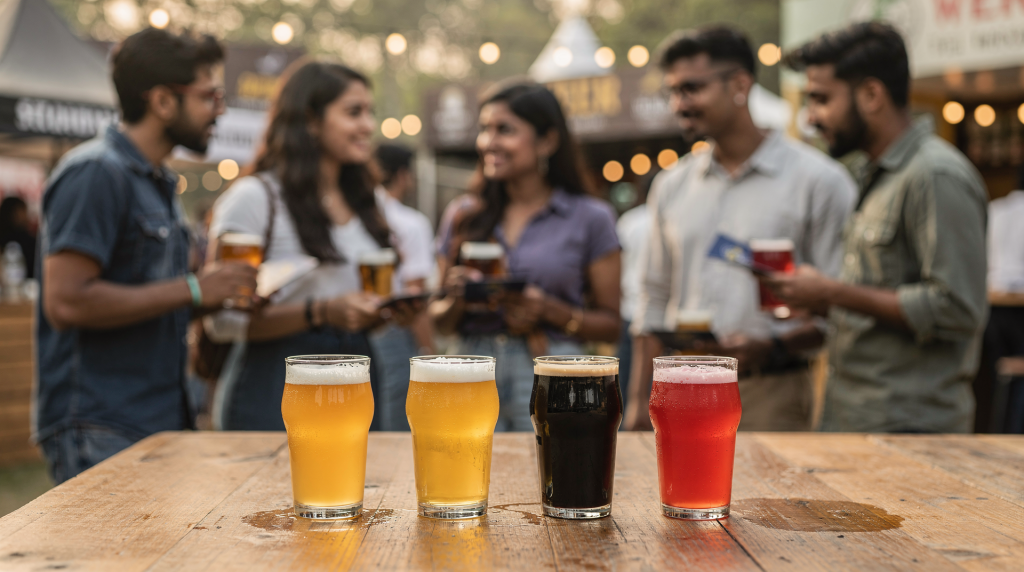
Walking into a craft beer festival can feel like stepping into a new neighbourhood for the first time—everything is unfamiliar, the options seem endless, and without a little guidance, it’s easy to drift aimlessly. Over the years of running Grandview Dig Fest and exploring India’s local brewing scenes, I’ve learned one thing: the best festival experiences come from having a gentle strategy. Know what you enjoy, taste with intention, and give your palate room to breathe.
Why choosing well matters
A festival isn’t a race to try every tap. It’s about uncovering a handful of beers that genuinely speak to you, comparing styles side by side, and walking away with a sharper sense of your own preferences. When you choose thoughtfully, you dodge palate fatigue, skip the frustration of long queues, and avoid the classic regret of ordering a full glass of something that doesn’t suit you.
Start with a plan before you arrive
Just like scouting a neighbourhood before moving in, a little homework goes a long way. Most festival organisers release the brewery list, tap lineup, or a site map ahead of time. That early peek lets you circle the spots that matter most and map your route before the crowds thicken.
Build a simple shortlist
Sort the beers into three mental buckets:
- Must-try: rare releases, local favourites, or styles you already love
- Nice-to-try: beers that intrigue you but wouldn’t drag you across the entire venue
- Backup options: pours near the same booth area—handy when lines swell unexpectedly
This tiny bit of pre-sorting saves you from impulse grabs and keeps your day moving smoothly once the energy spikes.
Check what is actually on offer
Before heading out, glance over:
- Brewery names
- Beer styles
- ABV, if listed
- Limited-release or festival-only pours
- Food and music zones that might shape your route
When a festival packs in dozens of breweries, the order of your stops matters as much as the beers themselves. Head to the rarest pours early, when the lines are still thin and your curiosity is sharpest.
Learn the basic beer styles
You don’t need a brewer’s vocabulary to make confident choices. Knowing the broad families helps you move through the festival like a local who knows the streets.
| Style family | What it usually tastes like | Good time to try |
|---|---|---|
| Lager / Pilsner | Crisp, clean, light, refreshing | Early in the session |
| Wheat beer | Soft, airy, sometimes citrusy or spicy | Early to mid-session |
| Pale ale | Balanced, hoppy, easy to compare | Mid-session |
| IPA | Bitter, aromatic, hop-forward | After lighter beers |
| Stout / porter | Roasty, chocolate, coffee, fuller body | Later in the tasting |
| Sour / farmhouse | Tangy, funky, fruit-driven, dry | Mid to late session |
One golden rule holds true year after year: start light and end bold. Heavy bitterness, deep roast, or sharp acidity early on will dull your palate and flatten everything that follows.
How to taste beer properly at a festival
Festival tasting isn’t like nursing a pint at your neighbourhood bar. Here, you want quick but attentive sampling—enough to decide, not so much that you lose your bearings.
Use the smallest pour available
When a booth offers multiple sizes, always reach for the smallest. A sample is plenty to judge aroma, bitterness, body, and finish. You don’t need a full glass to know if a beer fits your mood.
Follow a quick tasting sequence
- Look at the beer
- Smell it
- Take a small sip
- Let it coat your tongue
- Notice the finish
Those five steps are enough to tell you whether the beer is crisp, sweet, bitter, dry, juicy, or heavy.
Pay attention to three things
- Aroma: citrus, pine, fruit, spice, toast, coffee, or caramel
- Body: light, medium, or full
- Finish: clean, bitter, dry, sweet, or lingering
When those three align with what you enjoy, you’ve likely found a beer worth remembering.
Choose by mood, not just by style
The right beer at a festival depends on the kind of moment you want to create. I’ve seen people walk past incredible pours simply because they were stuck on a single style—don’t let habit box you in.
If you want something refreshing
Reach for:
- Pilsner
- Kölsch
- Light lager
- Wheat beer
These are effortless in warm weather and pair beautifully with food stalls—think of them as the easy-going neighbours you always want at a community gathering.
If you want something bold
Go for:
- IPA
- Double IPA
- West Coast pale ale
- Hazy IPA
These are aromatic and intense, perfect when you want hops to take centre stage and make a lasting impression.
If you want something rich
Try:
- Stout
- Porter
- Brown ale
- Strong dark lager
These sit well later in the session or alongside dessert-style food, much like the quiet, deep-rooted corners of a neighbourhood that reveal themselves after dark.
If you want something unusual
Explore:
- Sour ale
- Fruit beer
- Saison
- Barrel-aged beer
These styles are made for discovery, but they can divide opinion sharply. Always taste before committing—think of them as hidden alleyways that might become your favourite spot or lead you nowhere.
Match beer with food
Festival food can lift or flatten your beer choices. Across India, where stalls often carry spicy, grilled, fried, and street-style dishes, pairing becomes even more crucial.
Practical pairings
| Food type | Better beer choice | Why it works |
|---|---|---|
| Spicy snacks | Lager, wheat beer, session IPA | Cools the palate without piling on bitterness |
| Fried food | Pale ale, pilsner, Kölsch | Cuts through grease cleanly |
| Grilled meats | Amber ale, brown ale, porter | Matches richer, smoky flavours |
| Chaat or tangy dishes | Sour ale, wheat beer | Handles acidity gracefully |
| Dessert | Stout, porter, sweet stout | Complements chocolate, coffee, and caramel notes |
If the food packs serious heat, steer clear of very bitter beers right at the start. Bitterness next to chilli heat can turn harsh and unforgiving.
Know your limits on ABV and bitterness
ABV—the alcohol percentage—matters because a high-ABV beer may glide down smoothly at first but hit harder than expected over a long festival afternoon. It’s like underestimating a long walk through a hilly neighbourhood; pace yourself or pay for it later.
A sensible order
- Start with lower-ABV beers
- Move toward stronger styles gradually
- Leave the heaviest, most bitter pours for the end
This applies especially to IPAs, imperial stouts, and barrel-aged beers. These styles can dominate your palate and make everything afterward taste dull and distant.
Common mistakes to avoid
A festival is not the place to tear through dozens of beers. A handful of predictable missteps can flatten the whole experience.
- Starting with the strongest beer first
- Skipping water
- Drinking on an empty stomach
- Choosing beers only because they’re popular
- Ordering a full pour before tasting
- Ignoring the difference between aroma and flavour
- Trying to sample too many styles too quickly
The most common stumble is palate fatigue. After several intense beers, your tongue loses sensitivity, and everything begins to taste the same—that’s when poor choices multiply. I’ve seen festival-goers drift from booth to booth in a haze, much like wandering a neighbourhood without a mental map.
A simple decision framework you can use on the spot
When you’re standing in front of a booth, unsure what to pick, ask yourself:
- Do I want light, medium, or strong?
- Do I want crisp, bitter, sweet, or tart?
- Do I want something familiar or adventurous?
- What am I eating with it?
- How many beers have I already tasted?
This quick mental check takes seconds and almost always leads to a better choice than pointing at a tap at random.
What to ask the brewer or stall staff
Festival staff can rescue you from a disappointing pour. Ask them direct, friendly questions:
- What style is this beer?
- How bitter is it?
- Is it hazy, dry-hopped, or citrus-forward?
- Is it a seasonal or limited release?
- What is the ABV?
- What would you recommend if I like lighter beers?
Good staff usually know which beer is the most approachable for first-time tasters and which one is the quiet star of their booth—the one locals talk about long after the festival ends.
A practical festival tasting checklist
Use this before and during the event:
- Check the brewery list in advance
- Mark must-try beers
- Eat before you arrive
- Carry water
- Start with light styles
- Use sample pours first
- Take notes on what you like
- Pace yourself between stops
- Save the strongest beers for later
- Stop when your palate gets tired
Example festival strategy for a first-time visitor
If you’re new to craft beer, keep the plan simple and gentle:
- Begin with a pilsner or wheat beer
- Try one pale ale next
- Compare one IPA to one lager
- Add one dark beer later
- Finish with a sour or dessert-style beer only if your palate still feels clear
This approach gives you a broad, satisfying overview without overwhelming your senses—much like a well-planned first walk through a neighbourhood you’re thinking of calling home.
How to remember the beers you liked
It’s startlingly easy to forget a great beer by the end of the day. Keep a quick note in your phone with:
- Brewery name
- Beer name
- Style
- One-word impression, such as “citrusy,” “smooth,” or “too bitter”
This becomes invaluable later, when you want to buy that beer again or hunt for similar styles in local shops.
Final rule: choose for enjoyment, not hype
The best craft beer at a festival isn’t always the rarest or the loudest. It’s the one that fits your taste, matches your food, and feels right in the moment. When you start light, taste thoughtfully, and pace yourself, you leave with better memories and a deeper understanding of what you actually enjoy.
FAQ
How many beers should I sample at a festival?
There’s no magic number, but fewer thoughtful tastings beat many rushed ones every time. Quality over quantity—always.
Should I start with IPA?
Usually, no. IPA bitterness can overwhelm your palate early on. Start lighter and move toward it once your senses are warmed up.
Is it better to taste or order a full glass?
Taste first whenever possible. A small pour helps you avoid spending money on a beer you don’t enjoy and keeps your palate from tiring too fast.
What is the safest way to avoid palate fatigue?
Drink water, eat food steadily, and alternate lighter styles with stronger ones instead of chasing only bold beers.
What beer style is best for beginners?
Pilsners, lagers, Kölsch, and wheat beers are usually the easiest starting point—crisp, balanced, and forgiving.